
Heaven is a splendid promise. But we won’t experience its glory and blessings unless we change (Rom. 2:4).

The elders in the congregations of Crete faced a serious problem. Cretans were morally corrupt and religiously misled. Paul challenged these new church leaders to act boldly (Tit. 1:10-16).
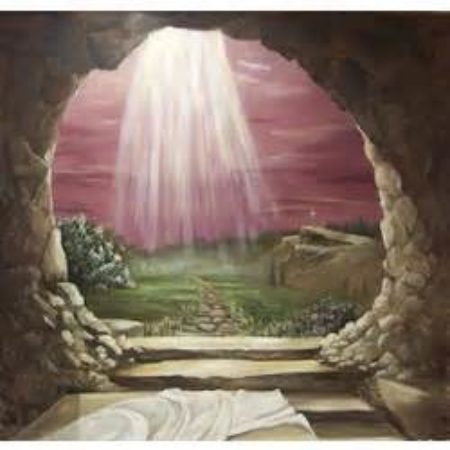
What we believe has a profound impact on our lives. Believing a lie or refusing to believe something true can have devastating consequences. Paul says that to be saved a person must believe in his heart that God raised his Son from the dead (Rom. 10:9-10).

A church without elders is functioning in an immature or defective condition. So Paul leaves his coworker Titus on the island of Crete to help each congregation there appoint qualified elders, men commended by their character (Tit. 1:5-9).

If someone says, “Have you heard the news?” your first reaction may be a tightening of the stomach. The headlines are almost always bad. But God has some wonderful news for us (Rom. 10:13-17).

In the introduction of his letter to Titus (Tit. 1:1-4), Paul reveals the purposes of his work as an apostle. His leadership in the church isn’t about holding a position. He is “a servant of God,” a servant leader.

It’s easy to see that our failures hurt others. People hurt us, and we hurt them. But why does the Bible say that our failings offend God (Rom. 3:23)?

Satan tells God that no one serves him for nothing. A God-worshiper is merely manipulating heaven, praising the Lord to keep the blessings coming. But Job’s beautiful faith argues otherwise (Job 1:20-22).

The best-known parable of Jesus tells of a foolish Jewish boy who wastes his father’s wealth and suffers the degradation of tending hogs on a Gentile’s farm (Luke 15:11-20). This story conveys important truths about sin – and how to find forgiveness.

Skeptics want to know why we believe in biblical miracle stories, like the account of the talking donkey (Num. 22:28-30). Are Christians mindless idiots, or do skeptics have a dirty little secret?